
Blog posts tagged "PostgreSQL"

An enterprise-grade PostgreSQL you can rely on Jul 17, 2024: Today Canonical announced the release of Charmed PostgreSQL, an enterprise solution that helps you secure and automate the deployment, maintenance and upgrades of your PostgreSQL databases across private and public clouds. PostgreSQL is an open source database management system.

Cybersecurity threats are increasing in volume, complexity and impact. Yet, organisations struggle to counter these growing threats. Cyber attacks often intend to steal, damage, hijack or alter value-generating data. In this article around database security, we use the NIST framework to lay out the common controls that you can implement t
In a previous blog, we talked about patterns to run a database in a highly available manner. In this blog, we present our open source recipe for PostgreSQL high availability. Benefits of a highly available PostgreSQL A good recipe should always start by exposing the benefits of the concerned meal. Therefore, we will start this

You are not the only one asking this seemingly popular question! Several companies are torn between the rise in appeal of open-source databases and the undeniable challenges inherent to their adoption. Let’s explore the trends, the drivers and the challenges related to open-source database adoption. The popularity of open-source databases

The cost of database downtime A study from ManageForce estimated the cost of a database outage to be an average of $474,000 per hour. Long database outages are the result of poor design concerning high availability. With the exponential growth of data that is generated over the internet (which is expected to reach 180 zeta-bytes

For many people, fast broadband connection and unlimited data are a reality. For others, they are not. If you have several Linux hosts in your (home) environment, and you’re using snaps, each of these systems will separately communicate with the Snap Store and periodically download necessary updates. This can be costly in terms of inbound

Everyone knows that if you’ve got big data, you need Apache Hadoop, right? It’s an affordable, horizontally scalable, clustered data processing platform ideal for data warehousing use cases. And it knocks the socks off classic relational database management systems like PostgreSQL that can barely keep up when playing with a terabyte of da
PostgreSQL is a powerful, open source object-relational database system that is known for reliability, feature robustness, and performance. PostgreSQL is becoming the preferred database for more and more enterprises. It is currently ranked #4 in popularity amongst hundreds of databases worldwide according to the DB-Engines Ranking. The ba
Assuring the security of PostgreSQL and all open source database systems is critical as many learned with the PgMiner botnet attacks in December 2020. Having an understanding of, and visibility into, how these attacks happen and following standard best practices is the best way to make sure that your data is not at risk. This
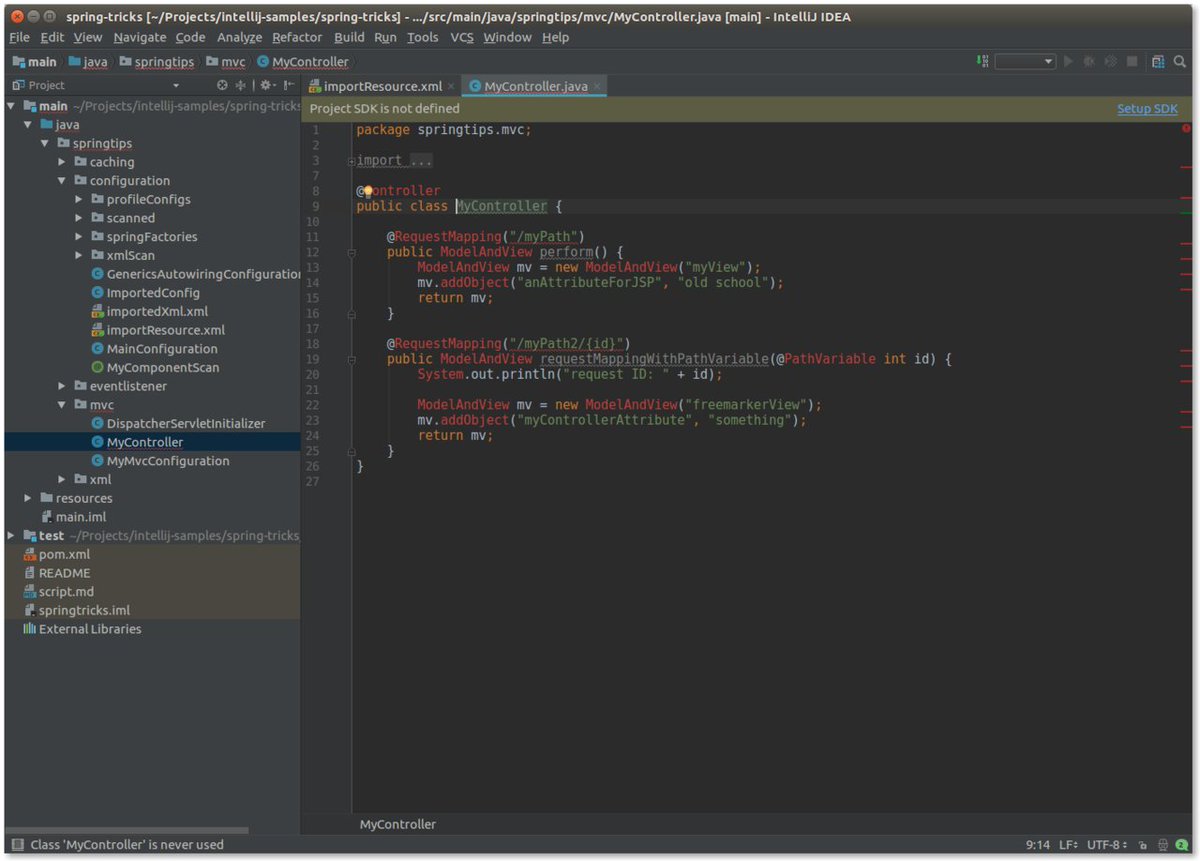
Linux is the best platform for developers. Here’s how you can get popular languages and development environments up and running in moments. The first step is to install snapd (the service that runs and manages Snaps) on your distro, then you can install your pick from some of our recommendations below. We regularly share new

In our last intro to Modeling with Juju post we didn’t pay any attention to the hardware needed to run our workloads. We ran with Juju default values for what the hardware characteristics of the cloud instances should be. Rather than define a bunch of YAML about each machine needed to run the infrastructure, Juju picks sane defaults that