
Blog posts tagged "Virtual Machines"
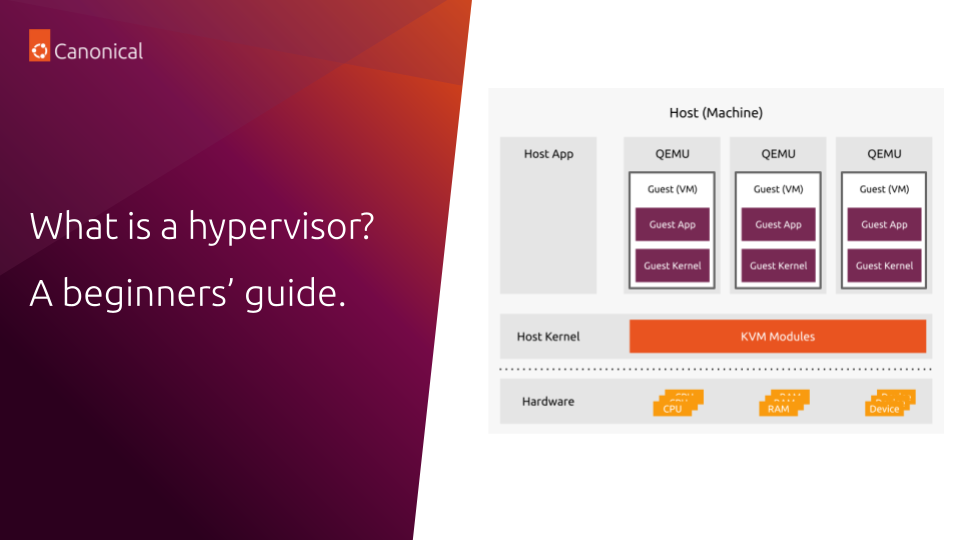
In the realm of virtualisation and cloud computing, the hypervisor is a critical component that enables the seamless operation of multiple virtual machines (VMs) on a single host. While virtualisation is a technology, the hypervisor is its actual implementation. In this beginner’s guide, we will explore the fundamentals of hypervisors, th

Containerization vs. Virtualization : understand the differences and benefits of each approach, as well as connections to cloud computing.
In this blog, we’ll explore some of the main VM features that help you run your infrastructure on LXD.
Multipass has a new workflow tailored to run Docker containers on macOS, Windows or Linux. One single command, no dependencies, full flexibility. Multipass exists to bring Ubuntu-based development to the operating system of your choice. Whether you prefer the GUI of macOS (even on M1), Windows or any other Linux, the unmatched experience

Update: there is now a more streamlined way to run Docker on Multipass – see this tutorial for more details. Original blog below: If you’re looking for an alternative to Docker Desktop or to integrate Docker into your Multipass workflow, this how-to is for you. Multipass can host a docker engine inside an Ubuntu VM

Virtualisation plays a huge role in almost all of today’s fastest-growing software-based industries. It is the foundation for most cloud computing, the go-to methodology for cross-platform development, and has made its way all the way to ‘the edge’; the eponymous IoT. This article is the first in a series where we explain what virtualisat

What’s new? This new release of MAAS brings three key new benefits: Virtual machines with LXD (Beta) Tighter, more responsive UX External/remote PostgreSQL database If you know what you want, go to maas.io/install, otherwise let’s dive in and explore these further. Virtual machines (VMs) with LXD (Beta) MAAS 2.8 can set up L XD-based VM
Windows and macOS developers can now use MicroK8s natively! Use kubectl at the Windows or Mac command line to interact with MicroK8s locally just as you would on Linux. Clean integration into the desktop means better workflows to dev, build and test your containerised apps. MicroK8s is a conformant upstream Kubernetes, packaged for simpli
Many DevOps tools struggle as deployments change. Juju excels. 2020 heralds a decade for a divided technology industry. Software delivery is diversifying. Complexity is increasing. Teams are looking to make use of new approaches such as serverless and split large applications into microservices. They also need to retain their existing app

Installing an operating system is not an easy task. For most people, this is something they will never have done. The vast majority of people buy computers with the operating system already installed, so they never have to manually run through the system setup. The process can be intimidating, but we will try to make
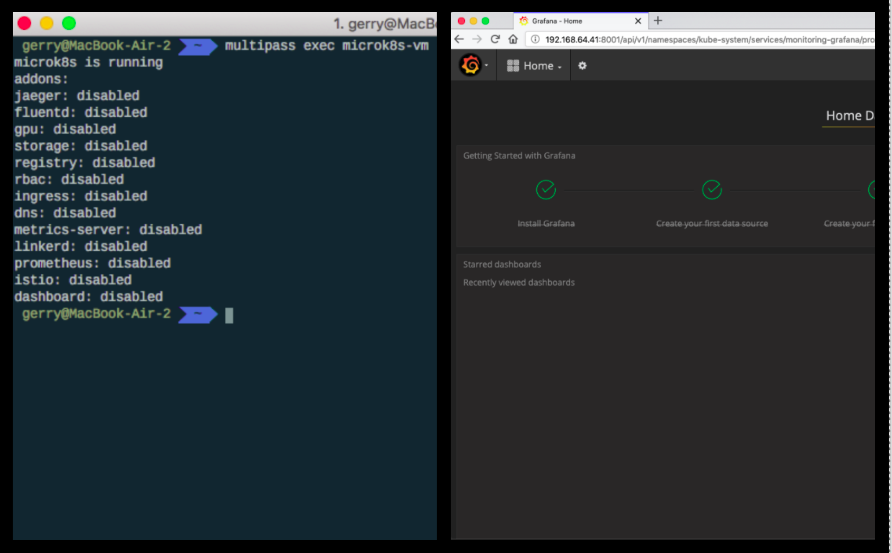
UPDATED in July 2020 with the latest instruction set. Are you looking for a Kubernetes solution to run on your Mac? MicroK8s is a lightweight, pure upstream distribution of Kubernetes developed by Canonical. It’s a compact Linux snap that installs a single-node Kubernetes cluster alongside carefully selected add-ons on Linux, Windows and
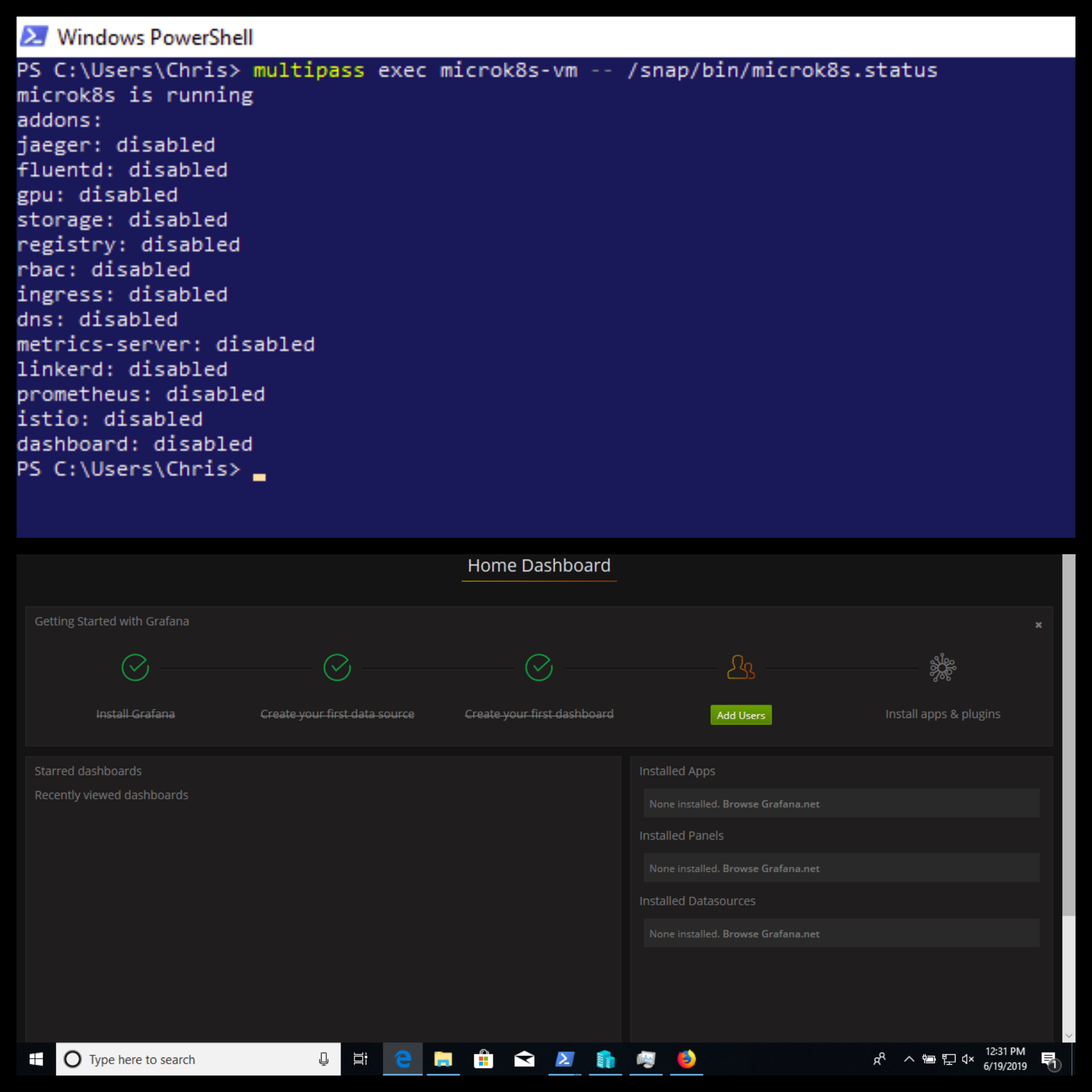
This content is password protected. To view it please enter your password below:Password: The post Protected: Kubernetes on Windows appeared first on Ubuntu Blog.

Use bare metal provisioning with a top-of-the-rack switch When deploying a small footprint environment such as edge computing sites, 5G low latency services, a site support cabinet or baseband unit, its critical to establish the optimal number of physical servers needed for set up. While several approaches exist, bare metal provisioning t

“All my centurions develop using snaps.” Julius Caesar By and large, software development can be an enjoyable process. Until you hit the first error, that is. At that point, you want to get past the stumbling blocks as quickly as possible and resume building your apps. A robust, flexible development framework can make a big

Guest blog by Julio Montes, Linux Software Engineer at Intel Kata Containers is now available as a Snap and to install from the Snap Store. Kata Containers is a lightweight, fast to boot, virtual machine (VM) designed to provide the speed of containers and the isolation of VMs. Inside the VMs, the processes run on

On April 24 2008, Ubuntu 8.04 LTS Hardy Heron was released. That was a decade ago, when the modern cloud computing era was dawning: Amazon’s EC2 was still in beta, Google had just released the Google App Engine and the word “container” was dominating the plastics industry rather than IT. A lot has changed since